Sahalie Vineyard · Willamette Valley
Ardea: single-vineyard Chardonnay from Sahalie Vineyard, Oregon. Drink deep and listen.
The idea
One place. An evolving understanding.
Ardea is an ongoing observation of Sahalie Vineyard in Oregon's South Salem Hills, vintage after vintage. Through different selections, vintages and decisions in the cellar, we look more closely at what this place can reveal.
High in the watershed,
the heron swoops.
Water gathers,
tumbles through fractured basalt,
and disappears into ancient fissures.
Roots follow—
prying, seeking, drawing from the depths.
A cool breeze whispers
through sun-dappled leaves.
Grapes sing the song of their place.
Drink deep and listen.
The wines
Different observations. One vineyard.
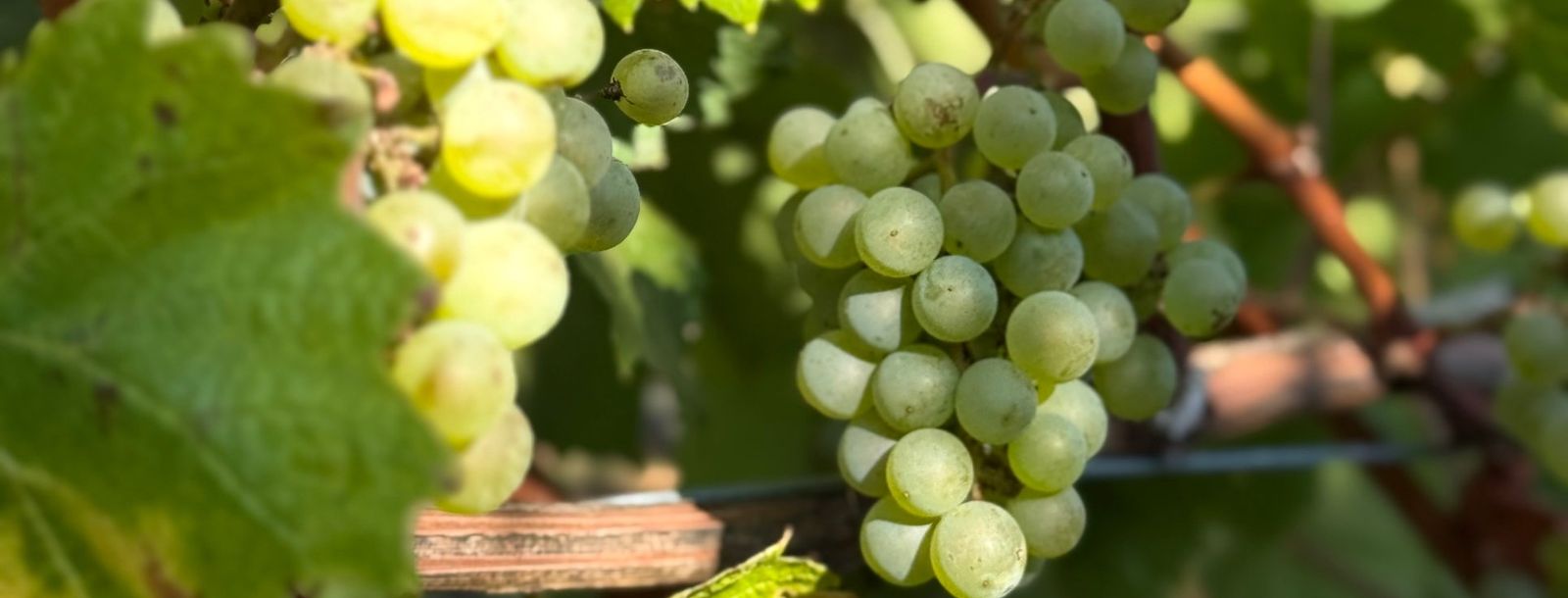
“Mosaic” and Ardea Chardonnay begin with the same place and reflect a particular set of choices.
Follow along
Follow Sahalie as it develops.
A note when new wines are released and when there's something in the vineyard worth recording. Not often.
The wines · 2025
Same place. Different decisions.
“Mosaic” and Ardea Chardonnay come from the same blocks of Sahalie, the same selections and the same patient approach in the cellar. They differ in a few specific choices, and those choices are the point.
Side by side
Where they differ
Neither is the reserve. “Mosaic” looks at the vineyard as a composition; Ardea Chardonnay narrows the lens.
Shop Ardea ↗2025 · Sahalie Vineyard · Willamette Valley
“Mosaic”
The vineyard as composition.
“Mosaic” considers Sahalie broadly. Pieces of the vineyard come together to show something about the whole. A mosaic is made of distinct pieces; the picture comes from how they sit together.
Buy “Mosaic” ↗Observation
An interpretation of Sahalie in 2025.
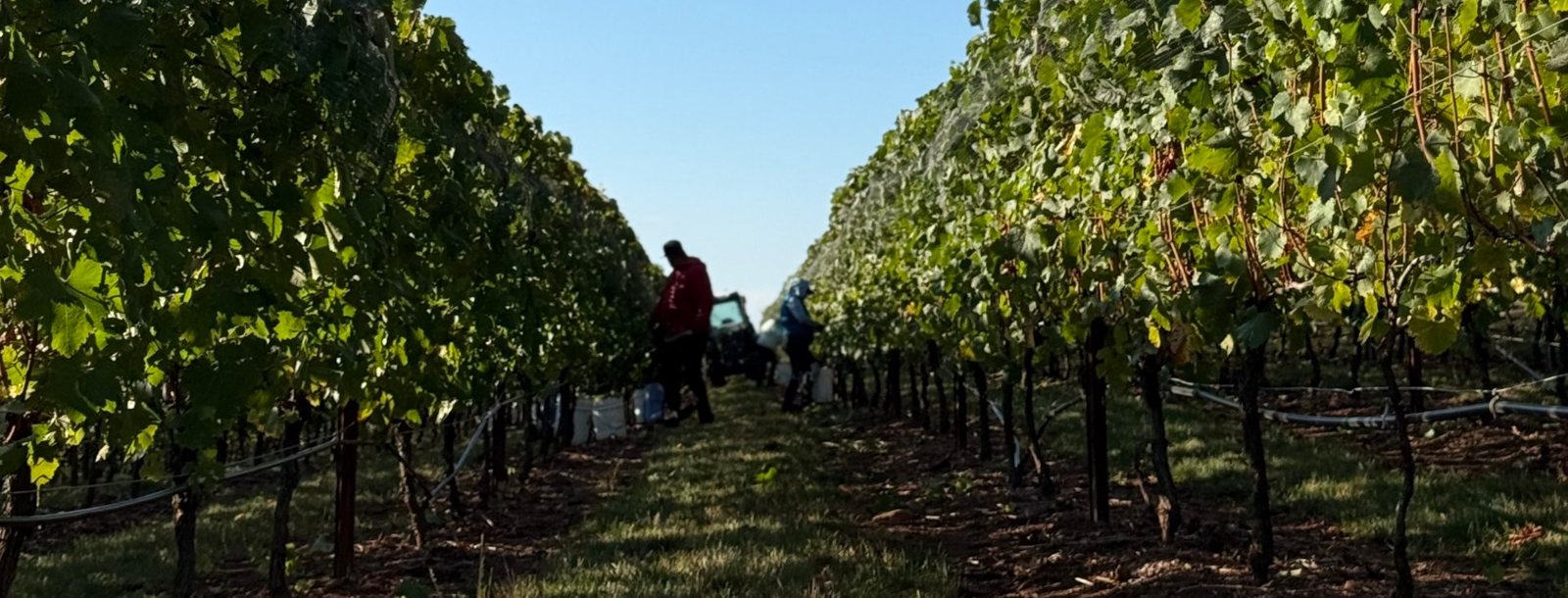
Fruit from blocks 5 and 6, from Dijon selections and clone 17.1, was hand-picked on a single day, September 25, and pressed as whole clusters. It fermented entirely in barrel and puncheon, 19% of it new French oak, then rested on its lees for ten months without stirring, and a final month in stainless steel.
Tasting notes
Fresh lemon, lime and crisp green apple lead the nose, accompanied by delicate white flowers, pear and a subtle hint of dried straw. The palate recalls biting into a perfectly ripe apple, with juicy fruit, bright acidity and a fine interplay of texture and tannin. A gentle mineral character and restrained oak influence complete this inviting expression of Sahalie Vineyard, offering a glimpse into the nuances of the site.
Full technical details
2025 · Sahalie Vineyard · willamette valley
Ardea Chardonnay
The lens narrows.
Ardea Chardonnay takes a more selective look at the same vineyard, to see something more specific about Sahalie.
Buy Ardea Chardonnay ↗Observation
Another interpretation of Sahalie in 2025.
Ardea Chardonnay draws on the same blocks, 5 and 6, and the same Dijon selections and clone 17.1. It was picked by hand across two weeks, from September 25 to October 9, and raised with more new French oak: 40%. Like “Mosaic”, it spent ten months on its lees in barrel and puncheon, unstirred, then a month in stainless steel.
Tasting notes
An initially restrained nose gradually reveals white peach, nectarine and green apple, intertwined with citrus blossom and subtle botanical notes of fresh cucumber. Hints of lemon oil and vanilla emerge as the wine opens. On the palate, stone fruit and citrus meet a quiet mineral character, while finely integrated oak lends structure, gentle tannic grip and a distinctive waxy texture. Vibrant acidity provides focus and length. Still youthful and evolving, the wine rewards patience, revealing new dimensions with time in the glass.
Full technical details
Sahalie Vineyard
The subject.
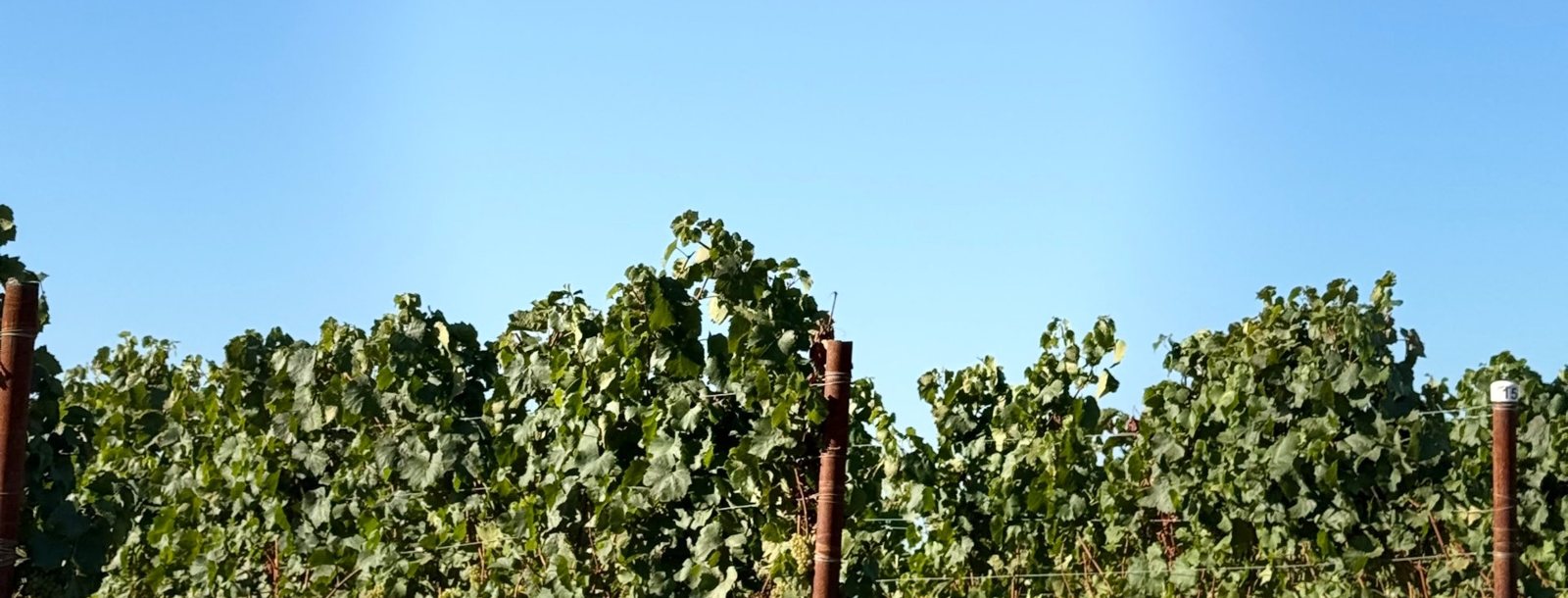
A high-elevation vineyard in the South Salem Hills, planted entirely to Chardonnay on decomposed basalt.
Sahalie Vineyard takes its name from the Chinook Jargon word sahalie, meaning “high,” “sky,” or “heavenly.” The Dinsdale family has farmed this land since 1991, growing grass seed and Christmas trees before the first vines went in. Today, the 75-acre vineyard is planted entirely to Chardonnay across undulating terrain at roughly 900 to 1,000 feet. The site sits on decomposed basalt and basalt-derived volcanic soils, with varied elevations and exposures creating a complex intra-vineyard topography. A diverse mix of Chardonnay clones is planted across the site, allowing differences in aspect, elevation, soil depth, and exposure to be observed over time. Sahalie is currently in the process of LIVE certification.
The singularity is intentional. Rather than adding varieties and labels, we want to keep looking more closely at one place. Different blocks. Different selections. Different vintages. Each gives us another way of understanding Sahalie.
Place
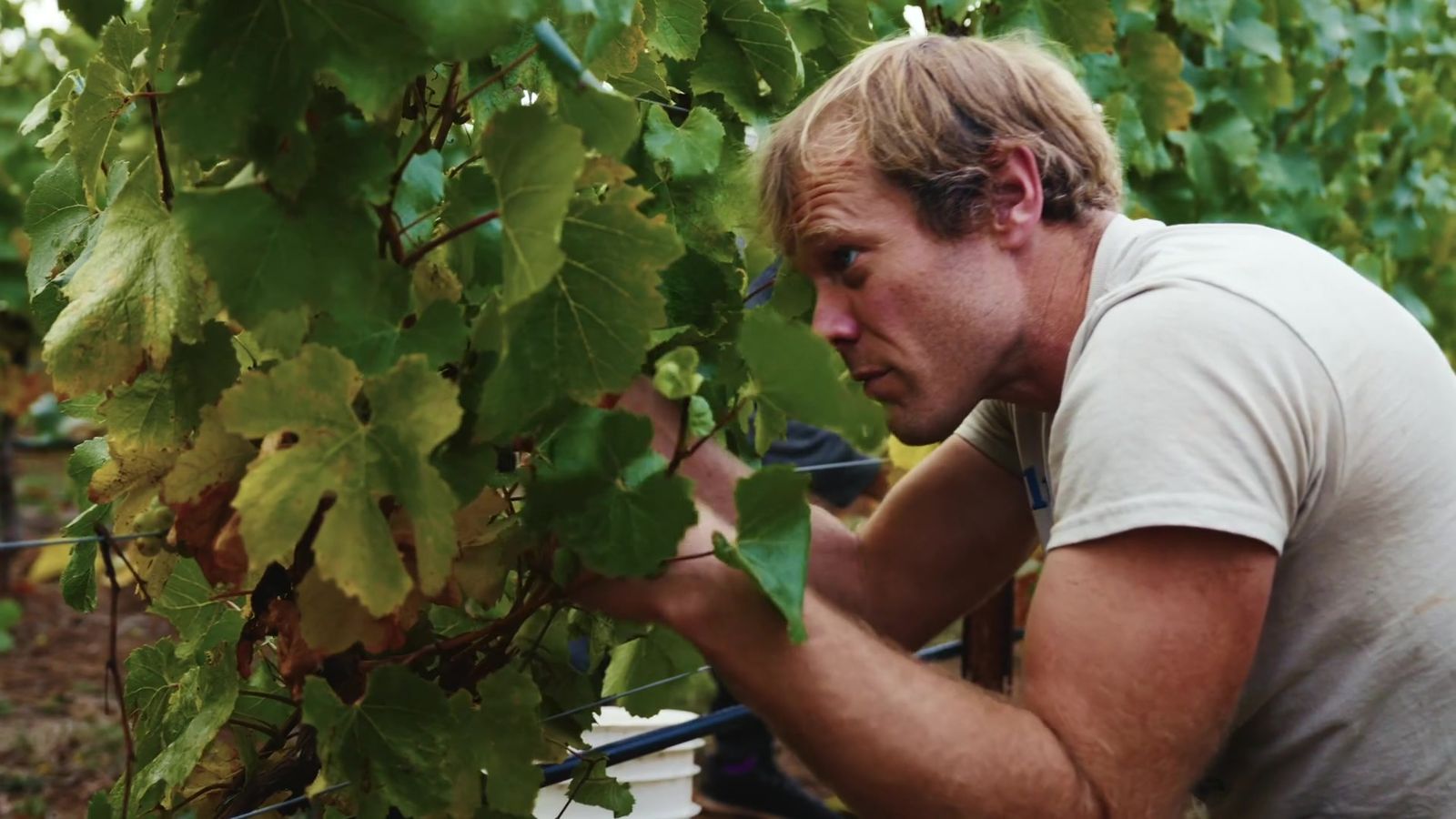
Water finds its way through fractured basaltand disappears into ancient fissures.Roots follow—prying, seeking, drawing from the depths.Chardonnay simply gives it a voice.
- Region
- South Salem Hills
- Size
- 75 acres
- Elevation
- 900–1,000 ft
- Aspect
- East- and south-facing
- Soil
- Decomposed basalt
- Farming
- Sustainable; LIVE certification in process
South Salem Hills
Basalt uplands between the Coast Range and the Cascades.
The South Salem Hills form the southernmost reach of the Willamette Valley’s intra-valley basaltic uplands, positioned between the Coast Range and Cascade Mountains. Though not a distinct AVA, the area is geologically closely related to the Eola-Amity Hills, with both landscapes underlain by ancient basalt and shaped by the Willamette River corridor that separates them. High elevations, varied aspects, basalt-derived soils, and cooling maritime influence create a complex growing environment for Chardonnay. At Sahalie, these factors contribute to long, even ripening and wines marked by tension, precision, and vivid acidity.
History
- 1969
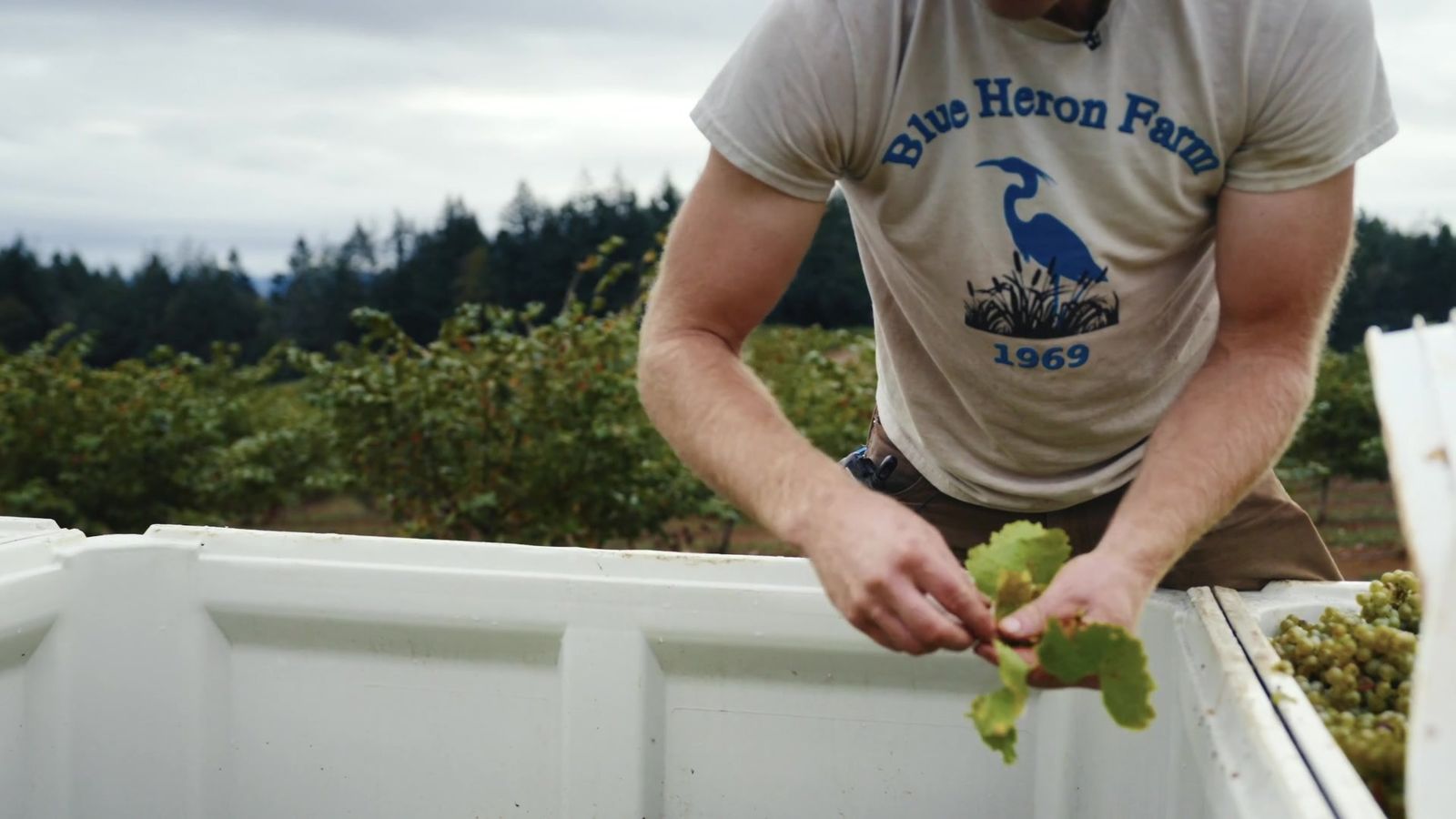
Our family's farm, Blue Heron Farm, is established.
- 1991
We buy the property that now includes Sahalie and farm it for grass seed and Christmas trees.
- 2020
Sahalie is first planted, entirely to Chardonnay.
- 2024
Blocks 28 and 29 on the east ridge are planted.
- 2025
The first Ardea vintage: “Mosaic” and Ardea Chardonnay.
The Sahalie record
What happened this year, in our corner of the South Salem Hills.
A short entry for each vintage: the season, the harvest, what we noticed and what surprised us.
About
The land came first.
We're third-generation Oregon farmers. Our relationship with this land came long before the idea of making wine.
Our family's farm, Blue Heron Farm, was established in 1969. In 1991 we bought the property that now includes Sahalie, and farmed it for grass seed and Christmas trees. In 2020 we planted it to Chardonnay, and added more in 2024. The vineyard is young, and we have the chance to learn from it over years and, hopefully, generations.
Ardea is the heron's genus.
The name ties these wines to the farm they came from. The heron is patient. It stands still and watches the water.
What can this place become?
Trade
Trade resources.
Technical sheets, the “Mosaic” and Ardea Chardonnay block map, sell sheet, label files and bottle shots.
Sales inquiries
sales@dinsdalewines.com
Phone
(503) 877-2844
Find Ardea
Where to find the wines.
Restaurants and shops carrying Ardea will be listed here once they're confirmed. You can also buy directly from our shop.
Shop Ardea ↗Follow along
Hear when the wines are released and where to find them.
General
info@dinsdalewines.com
Sales & trade
sales@dinsdalewines.com
(503) 877-2844